Several IPL franchises have announced significant changes to their coaching and support-staff structures as they prepare for the 2026 season. After varied performances in 2025, teams like the Rajasthan Royals (RR) and Kolkata Knight Riders (KKR) are making bold moves, switching head coaches, upgrading assistants, and hiring globally-recognized figures for specialist roles. The logic is clear: strategy, culture, and leadership matter just as much as players in a competition that grows more complex each year.
Rajasthan Royals Return to a Former Coach
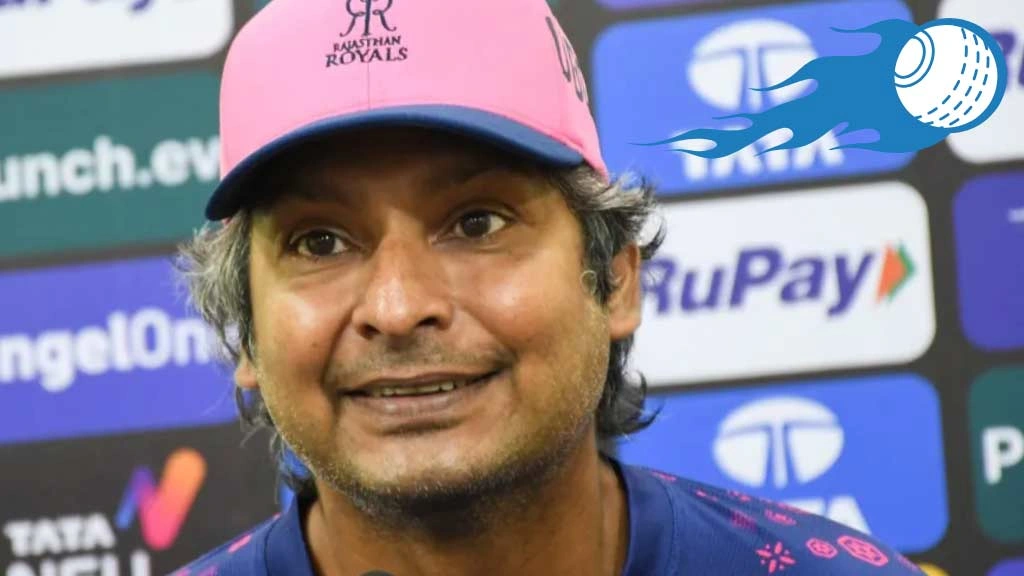
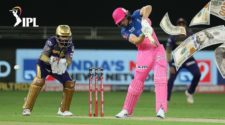
The Rajasthan Royals have made one of the most high-profile moves. After finishing ninth in 2025, the franchise announced that former international great Kumar Sangakkara will return as head coach, replacing Rahul Dravid. Sangakkara is already familiar with the side in his prior capacity as director of cricket and now leads from the dug-out. The Royals believe his blend of tactical insight and player-development focus will help them bounce back in 2026.
To shore up the broader support unit, the Royals have also brought in new advisors and specialist coaches, signaling that the rebuild goes deeper than results alone. It is a culture rewrite. Given the high expectations attached to tournaments like the IPL, this kind of structural change sends a message to both players and fans.
KKR Overhauls Staff After Disappointing Finish
Similarly, the Kolkata Knight Riders, champions in 2024 but eighth in 2025, have undergone a dramatic staff realignment. The franchise parted company with head coach Chandrakant Pandit and elevated Abhishek Nayar to the role for the 2026 campaign. On the specialist side, legendary bowler Tim Southee was appointed bowling coach, while Shane Watson will serve as assistant coach. Together, the appointments reflect KKR’s ambition to bring fresh energy and international experience into its coaching ranks.
The scale of the shift suggests KKR sees more than just a tweak is needed; they appear committed to a full reset. With the biggest purse among franchises ahead of the 2026 auction, the staffing changes combine with squad decisions to form a broader strategic overhaul.
Support Staff Changes Go Beyond Head Coaches
It is not just the head coach roles that are shifting. Across the league, franchises are investing in specialist coaches, strategic advisors, and directors of cricket. For example, some teams have appointed former international batters, spin specialists, and ex-heads of performance as part of their back-room upgrades. The trend reflects how T20 competition now demands more detailed planning: data analytics, fast-bowling workflows, mental conditioning, and injury management all have dedicated staff.
These developments highlight a broader shift in IPL planning from “assemble a good team” to “build a high-performing organizational ecosystem.” Franchises are responding to tighter margins, global player mobility, and increased performance pressure by putting structures behind their stars. The result may be deeper teams, smarter rotations, and more consistent results.
Why the Timing Matters Before 2026
The 2026 season looms as a critical one. With a mini-auction scheduled and major rule changes under discussion, teams feel the urgency to optimize now. Coaching and staff changes at this time give franchises a longer runway to develop tactics, scout talent, and integrate new staff ahead of the campaign launch. Poor performance in 2025 proved costly for several teams; in response, management is acting quickly.
From a business perspective, prior success in the IPL relies not only on players but also on consistent planning and adaptability. Brands, sponsors, and broadcasters expect teams to be competitive year after year. Upgrading coaching and support structures is a strategic investment that addresses performance risk and strengthens franchise value.
Challenges Behind the Reconstruction
While the changes are ambitious, challenges loom. Integrating new coaches and specialists means aligning philosophies, communication styles, and player roles, and that takes time. Some players may resist change or find it difficult to adapt mid-cycle. Staff retention, contract negotiations, and international duties add complexity as well.
Furthermore, franchises must manage expectations. Structural changes raise hopes, but results will still matter. If performances don’t improve quickly, pressure on the new coaching staff may intensify. Smooth transitions are not guaranteed, especially in a league where player turnover is high and margins for error are narrow.
Looking Ahead to IPL 2026
As teams finalize their squads and prepare for the auction, attention will also turn to how well their off-field changes translate on game days. For the Royals, KKR, and others that opted for wholesale realignment, IPL 2026 may be the defining season for their new regimes. The quality of preparation, staff cohesion, and player-coach chemistry will all be tested.
Ultimately, coaching and back-room changes reflect a deeper evolution in the IPL. No longer is it enough to collect stars. Teams must build holistic systems with leadership, performance infrastructure, and strategic clarity. In that context, the changes underway ahead of IPL 2026 could reshape how franchises approach success and which teams will thrive in India’s most lucrative sporting league.